

Preparing the perfect roast turkey can seem challenging, especially during festive celebrations when everyone expects a delicious centrepiece. A dry brine turkey recipe is one of the easiest ways to achieve tender meat, rich flavour and beautifully crisp skin without the mess of a traditional wet brine. This straightforward technique has become a favourite among home cooks because it produces reliable and impressive results every time.
Unlike soaking the bird in a bucket of salty water, dry brining simply involves rubbing salt and seasonings directly onto the turkey before roasting. Over time, the salt naturally enhances flavour and helps the meat retain moisture during cooking. Whether you’re preparing Christmas dinner or a special family meal, this guide explains everything you need to know.
What Is a Dry Brine Turkey Recipe?
A dry brine turkey recipe uses coarse salt and seasonings to improve the texture and flavour of the turkey before it goes into the oven. As the salt draws out moisture, it dissolves and is gradually reabsorbed into the meat. This process seasons the turkey throughout while keeping it succulent during roasting.
Many cooks prefer dry brining because it requires very little equipment and avoids the inconvenience of storing a large container filled with liquid. The skin also dries slightly while refrigerated, creating ideal conditions for achieving a beautifully golden and crispy finish once roasted.
Ingredients You’ll Need
For the best results, choose a fresh or fully thawed turkey along with coarse sea salt or kosher salt. Freshly ground black pepper, garlic powder, onion powder, rosemary, thyme and sage create a classic seasoning blend that complements the natural flavour of the bird. You may also add grated lemon zest or smoked paprika for additional depth.
High-quality ingredients make a noticeable difference in the finished roast. Fresh herbs provide a vibrant aroma, while unsalted butter or olive oil can be brushed over the turkey before cooking to encourage even browning. Preparing these ingredients in advance helps make the cooking process smooth and enjoyable.
How to Prepare the Turkey
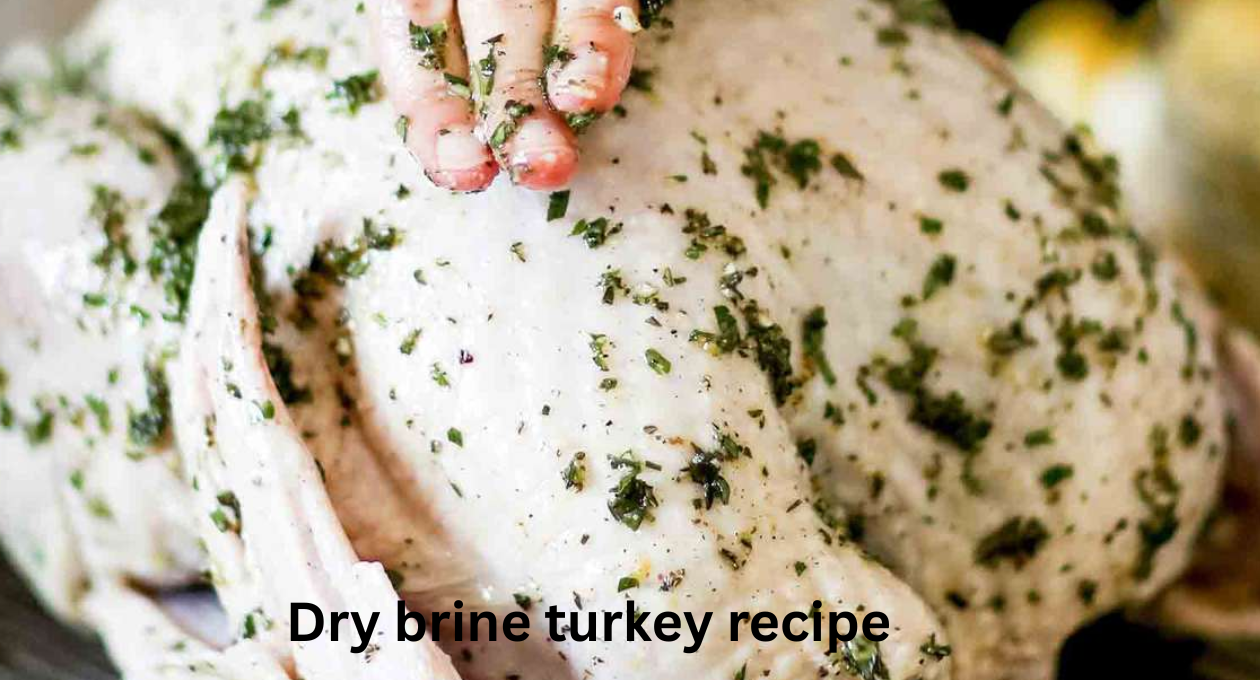
Begin by removing the turkey from its packaging and patting it completely dry using kitchen paper. Moisture on the skin can prevent the seasoning from adhering properly. Rub the dry brine mixture evenly over every part of the bird, including beneath the skin where possible, to maximise flavour.
Place the seasoned turkey on a wire rack set over a roasting tray and refrigerate it uncovered for one to three days. During this time, the skin dries while the salt penetrates the meat. This simple preparation step is one of the biggest reasons a dry brine turkey recipe consistently produces juicy meat and crisp skin.
How to Roast the Turkey
Remove the turkey from the refrigerator around thirty to sixty minutes before cooking to allow it to come closer to room temperature. Brush lightly with melted butter or olive oil before placing it into a preheated oven. Roasting at the correct temperature ensures even cooking while preserving moisture inside the meat.
Cook until the thickest part of the breast reaches approximately 74°C and the thighs reach around 79°C. Always use a reliable meat thermometer rather than relying solely on cooking times. Once finished, allow the turkey to rest before carving so the juices redistribute throughout the meat.
Tips for Crispy Skin and Juicy Meat
Leaving the turkey uncovered in the refrigerator is one of the simplest secrets behind a successful dry brine turkey recipe. Air circulation gently dries the skin, allowing it to become exceptionally crisp during roasting without excessive basting or complicated techniques.
Avoid opening the oven door too frequently, as this causes temperature fluctuations and extends cooking time. Letting the turkey rest for at least thirty minutes after roasting is equally important because it allows the juices to settle back into the meat, resulting in cleaner slices and a more tender texture.
Common Mistakes to Avoid
Using too much salt is among the most common mistakes when following a dry brine turkey recipe. Measure carefully according to the turkey’s weight, and remember that different salts vary in density. Choosing the correct quantity ensures balanced seasoning rather than an overly salty result.
Another frequent error is skipping the resting period after roasting. Cutting into the turkey immediately allows valuable juices to escape, leaving the meat drier than necessary. Planning enough time for resting helps preserve moisture and improves both flavour and presentation.
Serving Suggestions
A perfectly roasted turkey pairs wonderfully with classic UK side dishes such as roast potatoes, honey-glazed carrots, Brussels sprouts and Yorkshire puddings. Rich homemade gravy made from the roasting juices enhances every bite, while cranberry sauce adds a pleasant balance of sweetness and acidity.
Leftover turkey is equally versatile and can be transformed into sandwiches, soups, salads, pasta dishes or hearty pies. Store any remaining meat in an airtight container in the refrigerator and enjoy within a few days for the best flavour and freshness.
Conclusion
A dry brine turkey recipe offers one of the simplest and most effective ways to prepare a moist, flavour-packed roast turkey with beautifully crispy skin. By using quality ingredients, allowing sufficient refrigeration time and roasting carefully, you can consistently produce impressive results that family and guests will appreciate.
Whether you’re preparing Christmas dinner or a Sunday roast, this method removes much of the uncertainty associated with cooking turkey. With a little planning and attention to detail, you’ll enjoy a perfectly seasoned bird that becomes the highlight of any special occasion.
FAQs
Can I dry brine a frozen turkey?
Yes, but it must be completely thawed before applying the dry brine.
How long should I dry brine a turkey?
One to three days is ideal, depending on the turkey’s size.
Do I rinse the turkey after dry brining?
No. Simply roast it as prepared without rinsing.
Which salt works best?
Coarse sea salt or kosher salt provides the most consistent results.
Does dry brining make turkey salty?
No, when measured correctly it enhances flavour without making the meat overly salty.
Can I use herbs with the dry brine?
Yes. Rosemary, thyme, sage, garlic powder and black pepper are excellent choices.
Should I baste the turkey?
Minimal basting is needed because dry brining naturally helps retain moisture.
How do I know when the turkey is cooked?
Use a meat thermometer and ensure the breast reaches 74°C while the thighs reach approximately 79°C.