

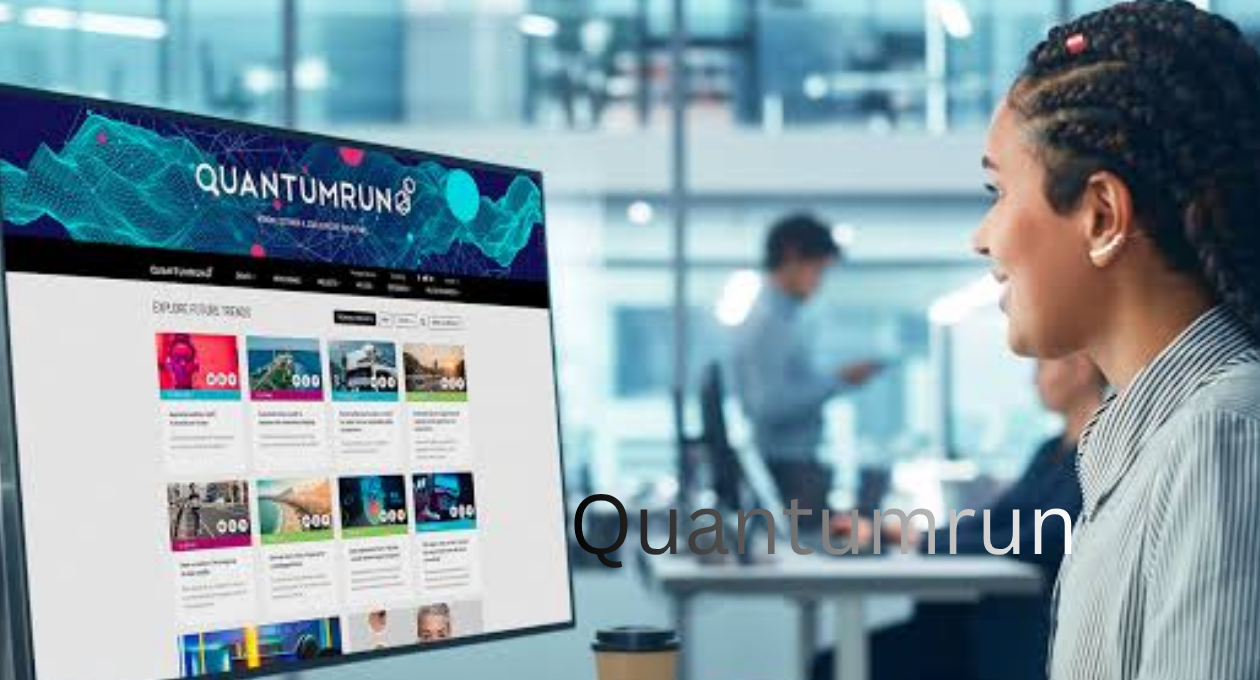
Modern organisations operate in markets shaped by technological change, evolving consumer expectations, political uncertainty and unexpected disruption. Traditional reports may explain what has already happened, but business leaders increasingly need tools that help them identify what could happen next. Quantumrun is designed to support this need by combining trend research, artificial intelligence, structured analysis and strategic foresight within one research environment.
The purpose of a foresight platform is not to deliver a perfect prediction of the future. Instead, it helps decision-makers investigate emerging developments, compare possible scenarios and recognise early signals of change. This approach can give organisations more time to prepare, invest and innovate. The platform describes its role as transforming research from industry, patent and academic sources into practical business insights.
Understanding AI Trend Intelligence and Strategic Foresight
AI trend intelligence involves collecting, filtering and analysing information that may reveal important changes in industries, technologies, regulations or consumer behaviour. Rather than relying on isolated news stories, teams can examine patterns across numerous sources. This creates a broader view of how separate developments might combine to produce new risks, customer needs, investment opportunities or competitive pressures.
Strategic foresight takes this research further by asking how an organisation should respond under several possible future conditions. It does not assume that one forecast will certainly become reality. Instead, teams explore alternative scenarios and decide which actions remain valuable across different outcomes. Quantumrun describes its foresight work as examining opportunities, threats and scenarios over periods ranging from ten to fifty years.
How the Research Platform Works
Quantumrun follows a three-stage workflow based on research, curation and visualisation. Users begin by exploring research questions through an AI assistant or customised information feeds. Relevant findings can then be saved and organised into focused lists. Finally, teams can transform selected research into visual formats that support strategic planning, product brainstorming and structured discussions.
This workflow helps prevent valuable information from becoming scattered across emails, bookmarks, presentations and individual computers. The platform allows teams to centralise internal and external research, categorise findings and collaborate on shared projects. Its official platform information also highlights options for technology scouting, patent research, industry tracking and access to daily reports covering emerging developments.
Core Features for Research and Innovation
One central feature is the AI research assistant, Tylo, which is presented as a tool for producing customised research reports supported by industry, patent and academic citations. Customisable research feeds can also help teams monitor selected technologies, competitors, markets or regulatory subjects. These capabilities may reduce the manual effort required to search multiple databases and publications every day.
Within Quantumrun, research can be bookmarked into lists and converted into project visualisations. Available applications include SWOT analysis, VUCA analysis, strategy planning, scenario composition and product ideation. The platform also offers a visual grid intended to help users identify relationships between trends that might inspire new products, services, policies or business models.
Business Applications and Practical Use Cases
For businesses, Quantumrun can support decisions that extend beyond ordinary market reporting. A product team might use emerging consumer and technology signals to generate ideas for a new service. A strategy department could examine how regulation, automation or demographic change may affect long-term priorities. Researchers may also use the platform to monitor unfamiliar industries that could indirectly influence their organisation.
Other possible applications include scenario building, startup scouting, technology assessment, policy development and early-warning systems. These activities can help decision-makers recognise threats before they become urgent and identify opportunities before they become widely understood. The provider positions its platform and consulting services as tools for creating future-ready business and policy solutions rather than producing speculative predictions without practical recommendations.
Who Can Benefit from the Platform
Quantumrun can suit organisations with teams responsible for strategy, innovation, research, product development or market intelligence. These professionals often need to evaluate large quantities of information while explaining their findings to senior leaders. A shared platform can make it easier to organise evidence, compare interpretations and preserve research knowledge when projects or team members change.
Academics, consultants and public-sector teams may also find value in structured trend analysis. Researchers can investigate relationships between scientific developments and commercial applications, while policy teams can explore the possible effects of social, economic and technological change. However, the platform is likely to deliver the greatest value when users have a clear research question and a defined process for acting on the findings.
Combining Artificial Intelligence with Human Judgement
Artificial intelligence can process large quantities of material quickly, but speed does not remove the need for critical thinking. Researchers must still examine the reliability, date, context and relevance of every important finding. They should also consider whether a trend represents a lasting structural change, a temporary reaction or an exaggerated claim produced by limited evidence.
Human expertise remains particularly important during scenario development and strategic decision-making. An algorithm may identify a relationship between two trends, but experienced professionals must determine whether that relationship matters to their organisation. The strongest foresight process therefore combines automated discovery with expert review, stakeholder discussion, industry knowledge and a clear understanding of organisational capabilities.
Evaluating the Platform Before Adoption
Before adopting Quantumrun, an organisation should define the decisions it wants the platform to improve. A vague goal such as “understanding the future” is difficult to measure. A stronger objective might involve monitoring artificial intelligence regulation, identifying new healthcare technologies or exploring how changing customer behaviour could affect a specific product category during the next five years.
Teams should also evaluate research quality, usability, collaboration features and integration with existing workflows. A useful trial should test real organisational questions rather than generic examples. Decision-makers can then assess whether the platform saves research time, improves the quality of strategic conversations, identifies previously overlooked information and produces insights that lead to practical actions or better investment choices.
Conclusion
Quantumrun stands out as a specialised research and strategic foresight platform rather than a general-purpose search engine or chatbot. Its combination of AI-assisted research, customised feeds, collaborative curation and visual planning tools is intended to help organisations move from collecting information to interpreting change and developing possible responses.
The platform cannot eliminate uncertainty, and no foresight system can guarantee that a particular future will occur. Its value lies in helping teams ask stronger questions, recognise emerging signals and consider several plausible outcomes before making major decisions. Organisations that connect these insights to clear responsibilities, budgets and strategic actions are more likely to turn future-focused research into measurable present-day value.
Frequently Asked Questions
What is Quantumrun mainly used for? It is primarily used for trend research, strategic foresight, scenario planning and innovation. Organisations can explore emerging technologies, market shifts, regulatory developments and other changes that may influence future decisions. Research can then be organised into lists and visualised through planning or ideation tools designed to support collaborative analysis.
Can the platform accurately predict the future? No research platform can know the future with complete certainty. Strategic foresight is concerned with possibilities rather than guaranteed outcomes. It allows users to examine signals, drivers of change and alternative scenarios so they can prepare flexible strategies. Its purpose is better preparedness and decision-making, not the production of unquestionable predictions.
How is the platform different from a general AI chatbot? A general chatbot may answer questions across a wide variety of subjects, while this platform focuses on research, trend monitoring and foresight workflows. Its official materials emphasise cited research reports, customised feeds, collaborative lists and visual tools for scenario planning, SWOT analysis, strategy development and product ideation.
Does AI replace human foresight professionals? AI can accelerate information discovery, classification and summarisation, but it does not replace contextual knowledge or strategic responsibility. Human researchers are still needed to verify sources, challenge assumptions, interpret uncertainty and decide which insights deserve action. The most effective process uses technology to expand research capacity while keeping important decisions under informed human control.